regulation and compliance
League Prize Money: Amateur Status, Skins Pots and 1099 Limits
Prize funds sit at the intersection of amateur status rules, state gaming law and IRS reporting. What a league can pay in cash, what belongs in pro shop credit, and when the course files a form.
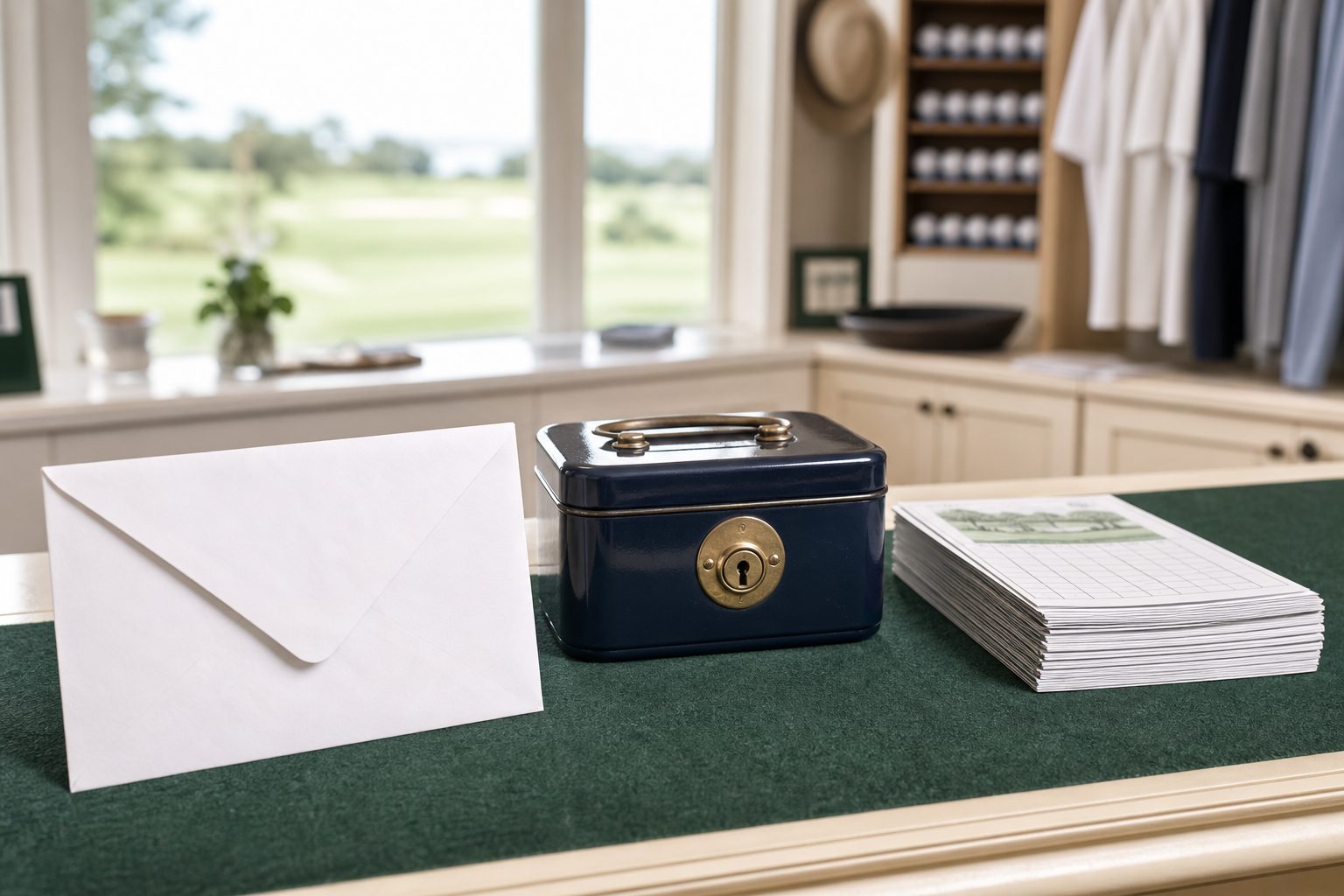
The Rules of Amateur Status prize limit and which league events it touches
For most municipal and recreational leagues, preserving amateur status is not just a tradition but a matter of compliance. The United States Golf Association (USGA) sets the standards for amateur golf, and one of the most significant is the limit on the value of prizes an amateur can accept. The maximum allowable prize for a single event, outside of national or state-level exceptions, is currently set at a fixed dollar amount by the USGA. This figure applies to the total value of merchandise, gift cards, or other awards given for play, excluding hole-in-one prizes, which have a higher threshold.
This rule applies to both cash payouts and merchandise. If your weekly league pays out for low gross, low net, or flight winners, each individual cannot exceed the amateur prize limit per event. If the season runs for several months, the limit applies per event, not per season, so cumulative winnings over several weeks are not capped unless each payout exceeds the limit. The exception is for skill competitions like hole-in-one challenges, which can have much larger prizes without affecting amateur status.
The amateur status limit is enforced by courses hosting USGA-sanctioned events and by many state golf associations, but even unsanctioned leagues can attract scrutiny. If your league aspires to be taken seriously within the broader golf community, adhering to these rules keeps players eligible for outside amateur events.
Keep reading: Inside a 20 Week Thursday Night League at a Municipal Course
Cash payouts versus pro shop credit, and why most municipal leagues choose credit
The distinction between cash payouts and pro shop credit is more than a detail. Cash is considered a direct monetary award and must remain within the amateur status prize limit. Pro shop credit acts as a merchandise voucher, often making it easier to stay compliant. Municipal courses and public leagues frequently default to pro shop credit for several reasons.
First, pro shop credit helps the facility manage inventory and drive sales. Credit can be redeemed for anything from balls and gloves to apparel, but the shop can also restrict certain purchases, like alcohol or green fees. Second, it simplifies recordkeeping. Instead of distributing envelopes of cash each week, staff can update credit balances at the register or in a tracking spreadsheet.
Most importantly, pro shop credit is usually exempt from certain reporting requirements that might otherwise apply to cash payouts. This also helps leagues avoid the perception that they are running a gambling operation, a concern that sometimes surfaces when cash changes hands.
Managing the credit ledger
When leagues use pro shop credit, accuracy matters. Every win, place, and skin should be posted promptly after each round. Players expect credits to be available for redemption the following week. Many courses use simple paper ledgers, while others have moved to spreadsheet files or basic point-of-sale systems. Mistakes can lead to disputes, especially late in the season when balances grow.
Skins, closest to the pin and the line between a player funded pool and a wager
Side games like skins and closest-to-the-pin contests are a fixture of league play. These pools are typically funded directly by player buy-in before the round, with the total pot paid out among the winners. Unlike end-of-season prize funds, skins and similar pots are not subsidized by the course or league budget. This raises a key distinction from the amateur prize rules.
The USGA allows players to participate in side pools, provided the entry fees are distributed in full to winners and not retained by the organizer. However, if the pool is structured in a way that resembles a wager, where outcomes depend more on chance than skill, or where the house takes a cut, regulatory scrutiny can follow. For example, random drawings or bingo card formats cross into gambling territory in some states.
For closest-to-the-pin, longest drive, and other skill-based contests, the same amateur prize limits apply. If the award is cash or merchandise, it counts toward the per-event threshold. Leagues should track these awards and make sure no player exceeds the limit for a single event.
Transparency in side pools
Transparency is critical. The pot should be announced, the winners and payout amounts posted, and the funds distributed immediately. Any deviation invites suspicion, and repeated complaints can trigger internal reviews or, in rare cases, inquiries from local authorities.
Keep reading: Tee Sheet Pressure: What Rising Muni Demand Means for Leagues
State charitable gaming law and the weekly 50 50 drawing
Many leagues run a simple 50 50 drawing as a social feature. Players buy tickets, a winner is drawn, and half the pot goes to the winner, with the other half supporting a cause or the league itself. This format is common, but it falls under state charitable gaming law, not just golf regulations.
Most states treat 50 50 drawings as a form of charitable raffle. Some require the league or the course to be registered as a nonprofit or to obtain a permit. Others prohibit any form of lottery on municipal property. Enforcement varies. In some areas, authorities ignore informal pools, while in others, surprise inspections have resulted in fines or warnings.
If the league donates the "house" half to a local charity or uses it for junior golf programs, compliance is easier. However, if the funds are used for league parties or paid to organizers, stricter rules may apply. Municipal facilities are often more cautious, requiring league organizers to submit a written plan or to avoid 50 50 drawings altogether.
Best practices for compliance
Check with the course manager and review your state's charitable gaming rules before running any raffle or drawing. Some leagues collect the pot and announce the winner by name on the league results sheet for full transparency. If your state requires a permit, file the paperwork before your season starts. Keep records of all tickets sold and prizes paid.
When the course collects a W-9 and issues a 1099 for a season payout
The Internal Revenue Service (IRS) requires organizations to report certain payments made to individuals. If a league or course pays a player $600 or more in cash or cash-equivalent prizes in a calendar year, a 1099-MISC form must be issued to that player, and a W-9 form must be collected first. This threshold applies to total cash payments, not pro shop credit, as the IRS treats merchandise differently unless it is readily convertible to cash.
Most municipal leagues avoid this reporting trigger by keeping individual payouts below the $600 mark. However, in leagues with large season-ending pots, or where a single player dominates, hitting the threshold is possible. The course or league is responsible for collecting the player's name, address, and Social Security number using a W-9 form before payment.
Failure to comply with IRS reporting rules can result in penalties for the course, not just the league. This is one reason many public courses strictly limit cash payouts or restrict prize funds to pro shop credit, which typically does not count as reportable income unless the credit is somehow transferrable.
Practical steps for league organizers
If there is any chance a player will cross the $600 threshold in a season, notify them early and collect the W-9 before the final payout. Maintain a simple log of all cash prizes paid, including the date and event. At tax time, the course accountant or city finance office files the 1099-MISC, and the player receives a copy.
See how BackNineLive handles this for golf
Sales tax on merchandise redeemed against a prize fund balance
When players redeem pro shop credit for merchandise, sales tax obligations come into play. Most states require retailers to collect sales tax on the full retail value of goods purchased, even if the item is paid for with prize credit. The credit is treated like cash from a tax standpoint.
For example, if a player uses $100 in league credit to buy a new wedge, and the sales tax is 7 percent, the shop must collect $7 in tax. The player pays this out of pocket or from their credit balance, depending on the shop's policy. Some courses allow credit to cover tax, while others require players to pay the tax separately at checkout.
Municipal pro shops must remit sales tax to the state, just as they do for regular sales. This is non-negotiable and subject to audit. If your league's credits are not being taxed at point of redemption, it is worth clarifying the procedure with the pro shop manager or city finance department.
Handling returns and expired credits
If a player returns merchandise bought with credit, the shop should restore the credit balance and adjust the sales tax records accordingly. Expired or abandoned credits, especially at the end of the season, should be cleared from the books to avoid confusion in the next cycle.
Writing the payout schedule and the escrow rules into league bylaws
Clear league bylaws are the best defense against disputes and compliance headaches. The payout schedule should state how prize funds are accumulated, which events trigger payouts, and whether awards are cash, credit, or merchandise. Side games and raffles should be described, including how funds are collected and paid out.
For leagues that collect entry fees or maintain a prize fund over several weeks, escrow rules are vital. These rules should specify who holds the money, how it is accounted for, and what happens if a league is shortened or canceled. A designated treasurer or course staff member should be responsible for deposits and withdrawals, with records available for review by the committee or, if necessary, the city's auditors.
In most leagues, payouts are made at the end of each event, with season-long awards distributed at a banquet or final round. If the league uses pro shop credit, the bylaws should state which merchandise can be purchased, whether credit covers sales tax, and when unused balances expire.
Transparency is crucial. Posting weekly results and credit balances where players can review them helps prevent misunderstandings. If a player raises a question about prize eligibility or payout rules, the bylaws provide a clear answer.
Modernizing recordkeeping and compliance
Manual tracking, especially with dozens of players and multiple events, leads to errors. Many leagues have moved their scorecard entry, handicap calculation, and standings to digital platforms. These tools can also record prize winnings, track compliance with amateur status limits, and automate weekly results publishing. For leagues looking to keep clean books and reduce paperwork, using a dedicated golf league management system is a practical step.